
AI agents at work
– 5 min read
From AI Slop to Content That Stops the Scroll

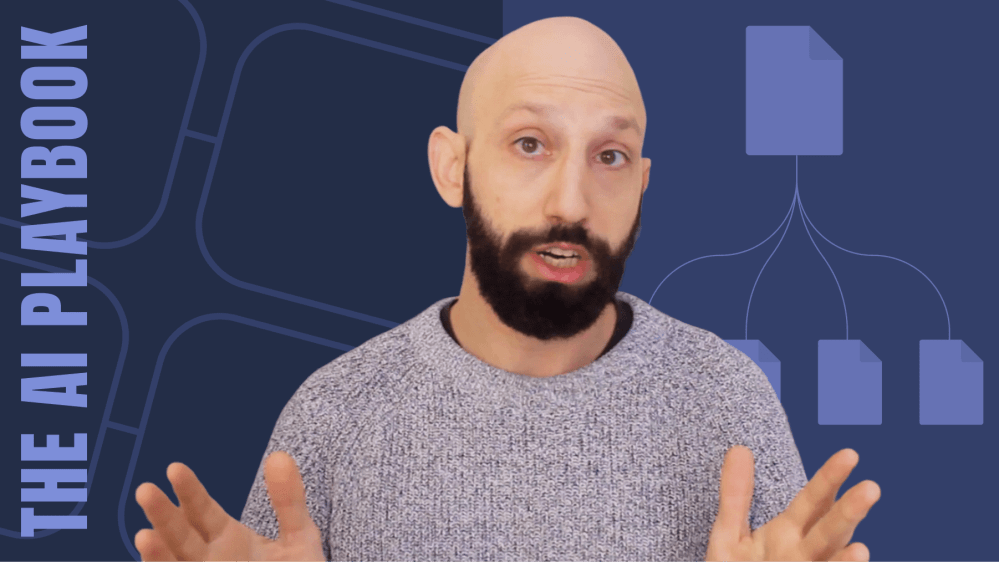
- The AI content crisis is real. As more teams use AI to generate content at scale, the internet floods with generic, forgettable material that audiences scroll right past.
- Voice is your competitive advantage. WRITER’s Voice feature learns your unique tone and phrases, ensuring every piece of AI-generated content sounds authentically like you, not a robot.
- Knowledge Graphs keep content accurate and aligned. This living repository of truth automatically updates your AI with the latest product messaging, positioning, and brand guidelines, eliminating outdated or incorrect information.
- Automation doesn’t mean sacrificing quality. By building voice and knowledge guardrails into your content workflows, you achieve 10x leverage without churning out generic mediocrity.
- In this video we go from a webinar transcript to a suite of content assets in minutes. Learn how to transform recordings, transcripts, and presentations into blogs, social posts, and sales materials—all while maintaining your brand standards throughout the process.

AI can produce an endless stream of text, images, videos, and more with just a few prompts. You know this already. Your team is probably using it right now to generate blog posts, social media updates, and marketing content at speeds that would have seemed impossible just a year ago.
But here’s the uncomfortable truth: just because AI can generate content doesn’t mean that content will actually connect with your audience. In fact, as more and more AI-generated material floods the internet, it’s becoming harder than ever to break through the noise. Your competitors are using the same tools, getting the same generic outputs, and creating the same forgettable content that readers scroll right past.
You’ve seen the telltale signs. Simple grammatical errors like failing to capitalize your own company name. Assumptions about products or campaigns that don’t actually exist. References so generic they might as well be placeholder text—quotes attributed to “a leader” instead of actual people with real expertise. And perhaps the most obvious giveaway: those endless bullet points and shortlists that scream “an AI wrote this, and no human bothered to touch it up.”
When you see content like that, you tune out. So does everyone else. That’s the difference between AI slop and something that will genuinely stop the scroll and get people to pay attention.
The question is not: should I be using AI to help with content creation? That ship has sailed. The real question is how you make AI work for your brand instead of against it. How do you ensure that what you publish sounds authentically like you, reflects your latest positioning, and actually resonates with the people you’re trying to reach?
This is where things get interesting. Imagine taking that webinar transcript, that product launch recording, or that internal presentation and transforming it into a full suite of derivative assets—blog posts, social media content, email templates, sales enablement materials—all while ensuring everything stays true to your voice, your messaging, and your brand standards. No more copying and pasting generic outputs. No more time cleaning up AI mistakes. No more worrying about whether your content sounds like it could have come from anyone.
The secret lies in two powerful capabilities that transform generic AI output into content that feels unmistakably yours. On the WRITER AI platform, we call them Voice and Knowledge Graphs.
Voice gives you the ability to tune your AI to understand and replicate your unique voice—the phrases you use, the tone you strike, the way you connect with your audience. Upload your best work, describe what makes it effective, and watch the system learn to sound like you consistently.
Knowledge Graphs are the living repository of truth that keeps everything aligned with your latest product messaging, positioning, regulatory requirements, and brand guidelines. It updates automatically, so you never have to worry about outdated information making its way into your content.
The result? You get to do more, move faster, and maintain the quality that sets you apart. Your team achieves ten times the leverage they had before, not by churning out more mediocrity, but by automating the complex, repeatable workflows that eat up their time. Think of the first AI output as a rough draft from an intern—it needs polishing. But with the right approach, that polishing becomes part of the automated workflow itself, not another manual task on your team’s plate.
Want to see exactly how this works? Watch our step-by-step walkthrough where we take a webinar transcript and turn it into a complete content suite, showing you the exact difference between running AI without these guardrails and with them fully engaged. You’ll see the before-and-after, understand why Voice and Knowledge Graphs make all the difference, and learn how to implement this workflow for your own team. The video breaks down everything you need to know to stop producing AI slop and start creating content that actually performs.
More resources
Inside WRITER
– 4 min read
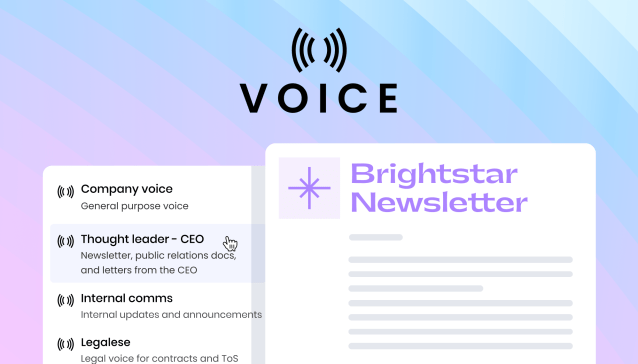
Introducing voice: customize generative AI apps to your style and tone

Writer Team


AI agents at work
– 17 min read
AI made your marketing team faster. Why isn’t it showing up in the results?

Diego Lomanto, CMO